
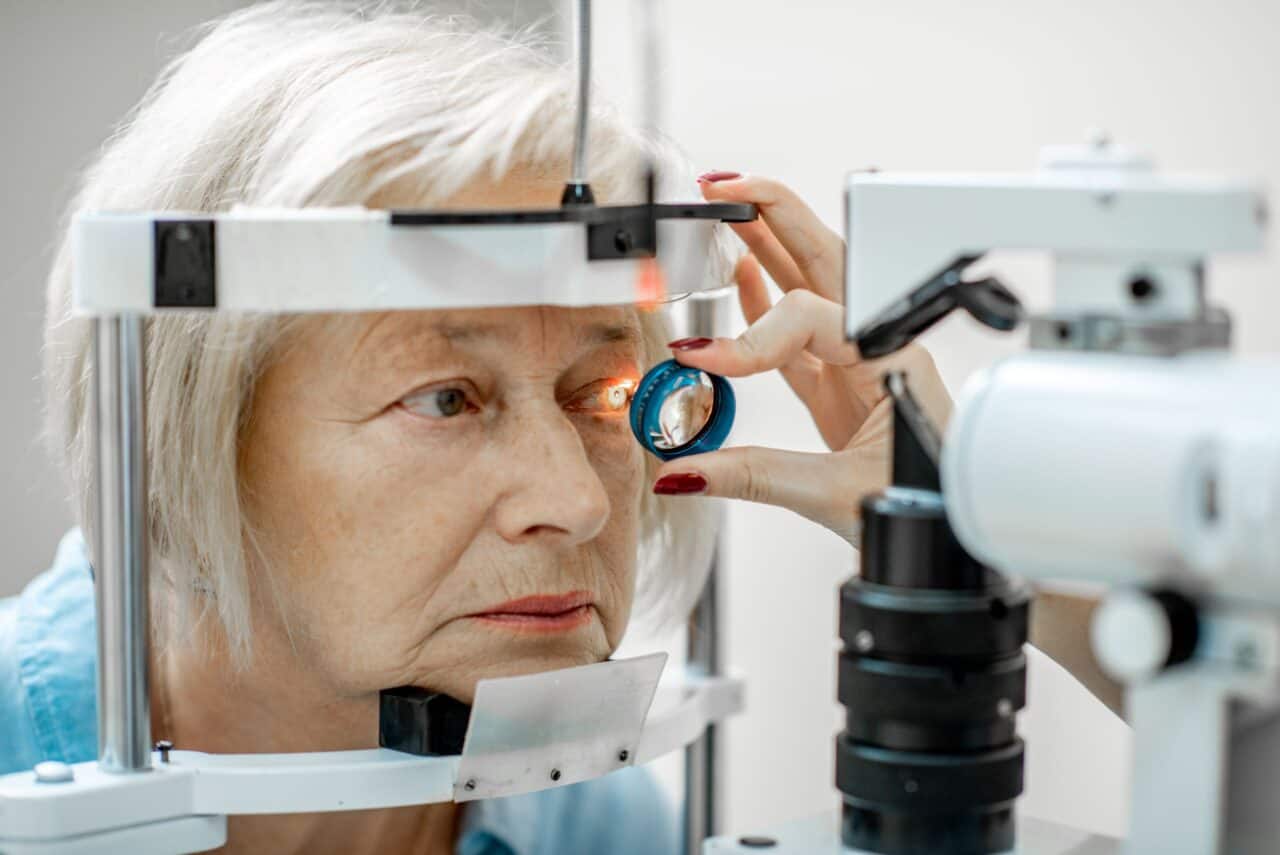
If you have ever put off an eye appointment because you were unsure what would happen during the exam, you are not alone. One of the most common sources of uncertainty is pupil dilation.
Patients may wonder: Will the drops hurt? How long will my eyes stay dilated? Will my vision be blurry? Most importantly, will I be able to drive afterward? The good news is that a dilated eye exam is generally simple, painless, and an important part of maintaining your vision, especially as you get older.
During a comprehensive eye exam, dilation allows an eye doctor to look beyond the eye’s surface and examine structures that cannot be fully evaluated during a routine vision check. For patients looking for a comprehensive eye exam in Vero Beach, understanding the eye dilation process can make the experience feel much more comfortable.
What Is a Dilated Eye Exam?
A dilated eye exam is an examination in which special eye drops are used to temporarily enlarge, or dilate, the pupils. Your pupils normally become smaller in bright light and larger in dim light. When they are dilated, more light can enter the eye, giving your ophthalmologist a better view of the retina, optic nerve, and other structures inside the eye.
Dilation is not usually the entire eye exam. Instead, it is one important part of a comprehensive evaluation.
The National Eye Institute explains that a comprehensive dilated eye exam may include visual acuity testing, peripheral vision testing, eye muscle testing, pupil response testing, eye pressure measurement, and examination of the inside of the eye after dilation.
That means an appointment is about more than determining whether you need a stronger prescription for your glasses. It is also an opportunity to look for signs of eye disease before noticeable vision changes occur.
What to Expect During a Dilated Eye Exam
So, what does the dilated eye exam process actually look like? Let’s take a look at what you can expect.
1. Vision Test
Your appointment will typically begin with standard vision testing. You may be asked to read letters or numbers from a chart at different distances. Depending on your symptoms, medical history, age, and eye health, additional testing may be performed.
Your ophthalmologist may also check your eye pressure and peripheral vision. These tests can provide important information about your overall eye health and help identify potential problems that require additional evaluation.
2. Pupil Dilation
Next comes the part many patients have questions about: the dilation drops. A technician or eye care professional will place drops into your eyes to temporarily enlarge your pupils. The drops may cause a brief stinging or burning sensation, but this generally passes quickly.
The drops then need time to take effect. Once your pupils are sufficiently dilated, your ophthalmologist can examine the inside of your eyes more thoroughly.
3. Dilated Exam
With your pupils enlarged, your doctor can get a better view of the retina and optic nerve. This expanded view can help identify changes associated with several eye conditions.
For example, a dilated examination can help doctors evaluate for glaucoma, which can damage the optic nerve and may progress without noticeable symptoms in its early stages. A comprehensive dilated eye exam is an important part of glaucoma detection.
Dilation can also help your ophthalmologist look for signs of age-related macular degeneration (AMD). AMD affects the macula, the part of the retina responsible for sharp central vision, and may not cause obvious symptoms in its early stages.
For people with diabetes, dilation is particularly important because diabetic retinopathy can develop before noticeable vision changes occur. The condition affects blood vessels in the retina, and regular dilated eye examinations can help detect changes early.
4. Discuss Results
After examining your eyes, your ophthalmologist can explain what was found and whether additional testing or treatment is recommended.
Depending on your individual needs, your eye care team may recommend additional imaging or testing. The goal is to understand your eye health as thoroughly as possible and identify problems that may benefit from monitoring or treatment.
Is Eye Dilation Painful?
For most patients, dilation itself is not painful. The drops can cause a short-lived stinging sensation, and your vision may become temporarily blurry afterward.
Your eyes may also be more sensitive to light because your pupils are larger, allowing more light into your eyes, so bringing sunglasses to your appointment is a good idea. Light sensitivity and blurry vision can occur for several hours after dilation.
If you are nervous about the drops or have had an uncomfortable experience with dilation in the past, let your eye care team know. They can explain what to expect before administering the drops.
Can You Drive After a Dilated Eye Exam?
This is one of the most common questions patients ask, and there is no single answer for everyone. Because dilation can temporarily cause blurry vision and increased sensitivity to light, you may need a ride home.
Whether you personally feel comfortable driving afterward can depend on how strongly the drops affect you, the type of examination you receive, your visual needs, and your doctor’s instructions. It is better to have transportation arranged than to discover after your appointment that your vision is temporarily too blurry or light-sensitive to drive comfortably.
Why Is Dilation So Important as You Get Older?
Regular eye care becomes increasingly important with age because several eye diseases become more common later in life. Some conditions can develop gradually without obvious warning signs.
Glaucoma, for example, can cause damage before a person notices vision changes. Age-related Macular Degeneration (AMD) can affect central vision, while diabetic retinopathy can initially have few or no symptoms. That is why waiting until you notice a problem isn’t the best approach to eye health.
A comprehensive examination allows your ophthalmologist to evaluate your eyes even when your vision seems perfectly normal. The appropriate frequency of dilated examinations depends on your age, health, family history, and individual risk factors. Your eye doctor can recommend a schedule based on your specific needs.
What Should You Bring to Your Appointment?
A little preparation can make your appointment easier.
Consider bringing:
- Your current glasses or contact lenses
- A list of medications and relevant health information
- Your sunglasses
- Information about your family history of eye disease
- Someone who can drive you home if your doctor recommends it
See Beyond Your Vision with a Dilated Eye Exam at New Vision Eye Center
It is easy to think of an eye exam as simply a test to determine whether you need new glasses. A comprehensive examination goes much further. Dilation gives your ophthalmologist a clearer view of important structures inside the eye and can play an important role in detecting and monitoring conditions that may threaten vision.
If you have been avoiding an appointment because you are nervous about pupil dilation, knowing what to expect can take away much of the uncertainty. The drops are temporary, the exam is generally painless, and any blurry vision or light sensitivity afterward typically lasts only a few hours.
For patients in Vero Beach and surrounding Florida communities, New Vision Eye Center provides comprehensive eye care and treatment for a range of eye conditions. Taking the time for regular eye care can help you and your ophthalmologist stay informed about your eye health and address potential problems before they have a greater impact on your vision.
When it comes to protecting your sight, knowing what is happening inside your eyes is an important part of the picture. Contact us today to schedule an appointment.